Visibility Without Compromise: How Emerging Artists Are Navigating the Algorithm on Their Own Terms
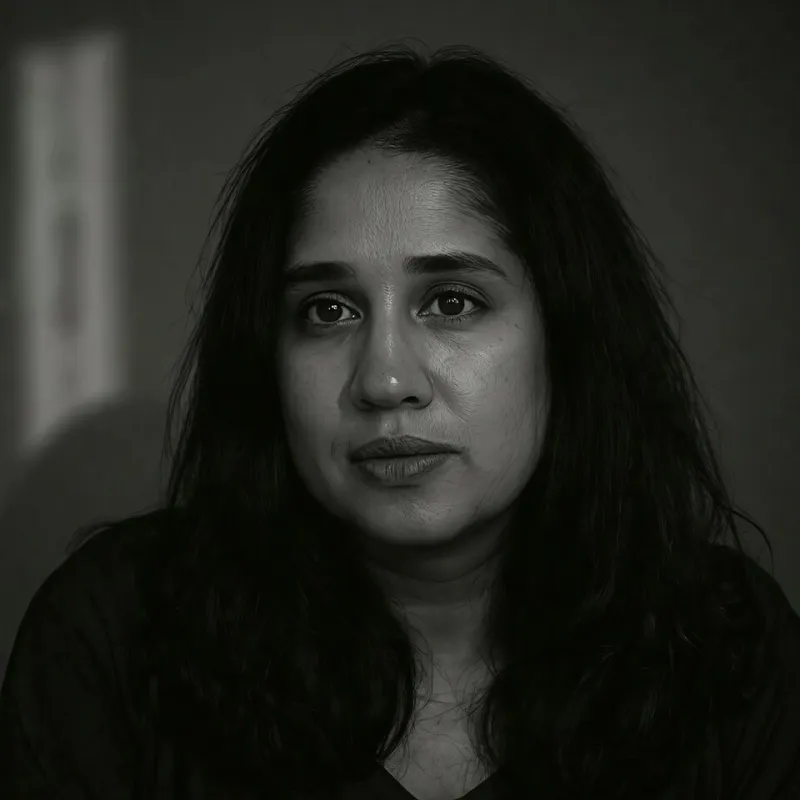
Photo: IshaanMohzin, CC BY-SA 4.0, via Wikimedia Commons
There is a particular tension that defines the professional life of the emerging artist in 2024. On one side stands the studio—the place of silence, experiment, and slow accumulation. On the other stands the feed: relentless, data-driven, and indifferent to the pace at which genuine creative work actually unfolds. Between these two poles, a generation of artists is being asked to perform productivity while simultaneously producing something of lasting value. The question is no longer whether to engage with social media. It is whether that engagement can be made to serve the work rather than consume it.
For many artists navigating this landscape, the answer is not a rejection of platforms like Instagram Reels or TikTok, but rather a studied approach to how, when, and why they appear on them. What is emerging across studios from Brooklyn to Los Angeles to cities far beyond the coasts is something closer to a strategic discipline—one that treats algorithmic visibility as a resource to be cultivated deliberately, rather than a current to be swept along by.
The Attention Economy and the Artist's Dilemma
The mechanics of contemporary social media platforms are, at their core, designed to reward consistency and emotional immediacy. Algorithms favor accounts that post frequently, generate rapid engagement, and keep users cycling through content. For artists whose work unfolds across weeks or months—whose processes involve failure, revision, and extended periods of apparent inactivity—this structure presents a genuine professional challenge.
The risk, as many artists have discovered through hard experience, is that the pursuit of algorithmic favor begins to distort the work itself. When a painter starts choosing subject matter based on what performed well in a previous Reel, or when a sculptor begins documenting their process not because documentation serves the practice but because the algorithm rewards behind-the-scenes content, something essential is being traded away. The feed becomes a second client—one whose tastes are shaped by engagement metrics rather than aesthetic vision.
Yet dismissing platforms entirely carries its own costs. Independent galleries, curators, and collectors now routinely consult an artist's digital presence before extending invitations or making acquisitions. For artists without institutional backing or established gallery representation, social media remains one of the most accessible pathways to professional visibility. The challenge, then, is not avoidance but navigation.
What Strategic Engagement Actually Looks Like
Among artists who have managed to build meaningful followings without subordinating their practice to the demands of the feed, certain patterns emerge. One of the most common is what might be called temporal separation—a deliberate division between the time reserved for making and the time allocated to documentation and posting. Rather than filming in real time or interrupting creative flow to capture content, these artists set aside specific sessions for photographing finished or in-progress work, batching content in advance, and scheduling posts to maintain algorithmic consistency without daily interruption.
This approach acknowledges the platform's demands while refusing to allow those demands to colonize the studio. It treats social media as a professional obligation rather than a creative one—comparable, in some respects, to the administrative work of applying for grants or managing correspondence with galleries.
A second strategy involves platform differentiation. Rather than attempting to maintain identical presences across every available channel, many artists are making deliberate choices about which platforms align with the nature of their work. Painters and illustrators whose work is highly visual and static often find Instagram's image-forward format more compatible with their practice than TikTok's video-centric structure. Performance and installation artists, conversely, frequently find that TikTok's tolerance for longer, stranger, and more process-oriented content creates space for documentation that feels authentic rather than manufactured.
The artists who struggle most are often those who attempt to replicate the content strategies of influencers or lifestyle accounts without considering whether those strategies are legible within the context of their actual practice. A ceramicist whose work requires six weeks of drying and firing cannot credibly post a finished piece every three days. Attempting to simulate that cadence—by fragmenting the process into artificially discrete moments, or by producing smaller, faster work to feed the feed—risks distorting the practice in ways that are difficult to reverse.
Authenticity as a Long-Term Competitive Advantage
There is a compelling argument, supported by the trajectories of artists who have built durable careers through social media, that authenticity is not merely an ethical position but a strategic one. The platforms are saturated with optimized content—posts engineered for engagement that feel, to any attentive viewer, like content rather than communication. In this environment, work that feels genuinely personal, that reflects an artist's actual preoccupations and aesthetic commitments, stands out precisely because it is relatively rare.
This does not mean that unfiltered, unedited output is inherently more valuable than considered presentation. The artists navigating this space most successfully tend to be highly intentional about what they share and how—but the intentionality serves the work's integrity rather than the algorithm's preferences. They are curating a public-facing practice rather than manufacturing a content product.
The distinction matters because it shapes what kind of attention is generated. Algorithmic virality—posts that perform exceptionally well because they happen to align with a trending format or sound—tends to attract a broad, diffuse audience with limited connection to the work itself. The followers gained from a viral moment are often not the collectors, curators, or fellow artists who will sustain a career over time. Steady, consistent engagement with a smaller but more genuinely interested audience frequently translates into more durable professional relationships.
When the Experiment Fails
Not every artist who attempts to engage strategically with social media succeeds in maintaining the balance. There are patterns of failure worth examining. The most common involves what might be called the optimization spiral: an artist begins tracking which posts perform best, starts tailoring content to replicate that performance, and gradually finds that their feed has drifted away from their actual practice toward whatever the algorithm has indicated it prefers. The work changes to accommodate the documentation rather than the reverse.
Others burn out entirely—committing to posting schedules they cannot sustain alongside a serious studio practice, then abandoning platforms altogether in a way that damages the professional momentum they had built. The lesson here is not that ambition is inadvisable, but that social media strategies must be calibrated to the actual rhythms of a given practice, not borrowed wholesale from artists working in different media or at different career stages.
Building Beyond the Feed
The most resilient approaches treat social media not as a destination but as a point of entry—a way of drawing viewers toward other, more stable forms of connection. Email newsletters, studio visit programs, and direct collector relationships all offer forms of engagement that are not subject to algorithmic volatility. An artist with ten thousand Instagram followers and a robust email list of genuinely interested collectors is in a fundamentally more stable position than one with a hundred thousand followers and no direct communication channels.
This orientation—using the algorithm to build relationships that ultimately exist outside of it—may be the most sustainable model available to emerging artists today. It acknowledges the realities of the attention economy without surrendering to them, treating visibility as a means rather than an end.
The algorithm will not wait. But the most thoughtful artists working today are demonstrating that they do not need to run alongside it at full speed—only to understand its pace well enough to move through it on their own terms.