Beyond the Gallery Check: How Emerging Artists Are Engineering Financial Stability Through Grants, Residencies, and Creative Fellowships
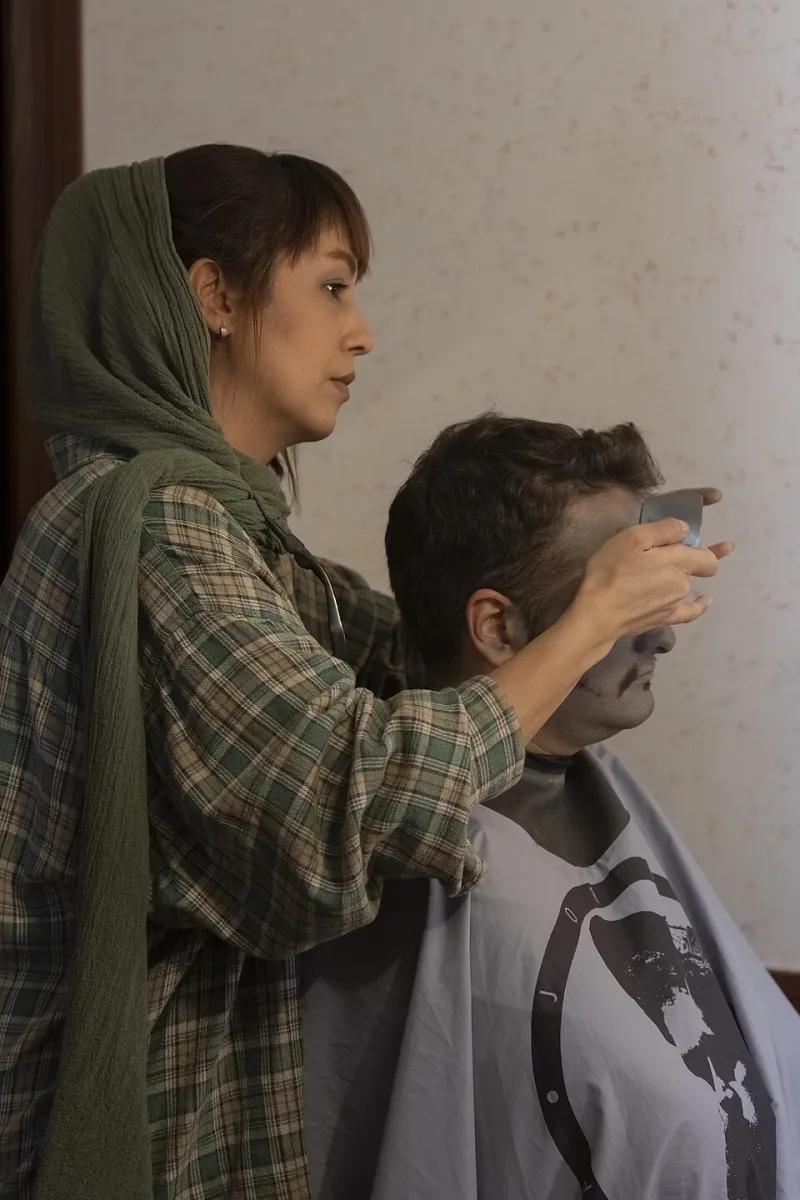
Photo: Mostafameraji, CC0, via Wikimedia Commons
The mythology of the starving artist has never aged particularly well, but for those actively living it, the financial precarity of an early-career practice is no abstraction. Studio rent, materials, the cost of time itself—these are real pressures that shape not just how artists work, but what they make. For decades, the dominant answer to that pressure was simple, if rarely achievable: land gallery representation, sell work, repeat. Today, a quieter but increasingly deliberate movement is rewriting that equation entirely.
Across the United States, emerging artists are turning to an expanding ecosystem of grants, residencies, fellowships, and civic funding mechanisms to finance their practices—often without a single gallery contract in sight. The results are not just financial. Many artists describe these alternative pathways as transformative, reshaping their creative priorities and expanding their sense of what a sustainable art career can actually look like.
The Limits of the Market Model
It is worth understanding why so many artists are looking elsewhere in the first place. Gallery representation, even when secured, rarely provides consistent income for artists in the early stages of their careers. Commission structures, irregular sales cycles, and the social capital required simply to enter those conversations place the gallery model out of reach for many—particularly artists from working-class backgrounds, those outside major metropolitan centers, or those whose work does not lend itself easily to a collector market.
"The gallery world rewards a certain kind of legibility," says one multidisciplinary artist based in Detroit whose practice spans installation, sound, and community engagement. "If your work doesn't fit neatly into something a collector can hang or display, you're already working against the grain. Grants gave me permission to make the work I actually wanted to make."
That permission—financial, temporal, and psychological—is precisely what alternative funding mechanisms offer. And the landscape of those mechanisms is considerably richer than many artists realize.
Micro-Grants: Small Sums, Significant Impact
Among the most accessible entry points into alternative funding are micro-grants: awards typically ranging from $500 to $5,000 that are designed to support specific projects, materials, or periods of focused development. Organizations such as the Foundation for Contemporary Arts, the Awesome Foundation, and numerous state arts councils distribute these grants on rolling or annual cycles, often with streamlined application processes that favor clarity of vision over institutional prestige.
For artists early in their careers, micro-grants serve a function that extends beyond their dollar value. They create a record of funded work—a portfolio of support that strengthens subsequent applications and signals to larger funders that an artist's practice is both serious and recognized. Several artists interviewed for this piece described a compounding effect: an initial $1,500 project grant from a local arts council eventually opened doors to a $25,000 fellowship application that might otherwise have felt inaccessible.
"It sounds transactional to talk about it that way," admits a Brooklyn-based painter who has received funding from four separate grant-making bodies over the past three years. "But the truth is that funders are looking for evidence of commitment. Every grant you receive is evidence. You're building a case for yourself."
Residencies as Infrastructure
If micro-grants provide financial oxygen, residencies offer something closer to infrastructure. Artist residency programs—ranging from highly competitive national institutions like Skowhegan and the MacDowell Fellowship to regional programs embedded in rural communities, universities, and even corporate campuses—provide artists with time, space, and often stipends or materials budgets that allow for sustained creative development outside the pressures of daily economic survival.
What is less frequently discussed is the sheer diversity of residency models now available. Alongside the traditional retreat model, artists can now apply to urban residencies that embed them in community organizations, civic residencies housed within city government agencies, international exchange programs funded through cultural diplomacy initiatives, and hybrid residencies that pair studio time with teaching or public engagement responsibilities.
An interdisciplinary artist from New Orleans who recently completed a residency through a city-sponsored cultural infrastructure program described the experience as reorienting. "I went in thinking about the stipend. I left thinking about my relationship to the city, to the people I worked with, to what my practice is actually for. The money mattered, but the context mattered more."
For artists willing to look beyond the most visible programs, residency opportunities exist across virtually every region of the country. State arts agencies, land trusts, libraries, and even municipal parks departments have, in recent years, developed artist-in-residence frameworks that reflect a broadening understanding of what artists contribute to civic life.
Fellowship Programs and the Long Game
At the upper end of the alternative funding spectrum, fellowship programs represent the most significant financial commitments available to emerging artists outside the commercial market. Programs such as the United States Artists Fellowship, Creative Capital, and the Herb Alpert Award provide multi-year support that can genuinely restructure an artist's financial reality—covering studio costs, allowing artists to step back from supplementary employment, and creating the conditions for ambitious, long-horizon projects.
Competition for these fellowships is intense, and application processes are demanding. But artists who have navigated them successfully are emphatic about one point: the barrier to entry is not prestige, it is preparation. Strong applications share a clarity of purpose, a demonstrated body of work, and a coherent account of how the funding would be used—not to describe what an artist has already made, but to articulate what they are reaching toward.
"The mistake a lot of people make is treating the application like a resume," says an artist from Chicago whose fellowship award enabled a two-year research project on industrial labor and material culture. "Funders aren't looking for your greatest hits. They want to understand your thinking. They want to feel the urgency of the work."
Application Strategy: What Artists Who Succeed Know
Across conversations with artists who have built meaningful funding portfolios, several practical insights emerge consistently. First, specificity matters enormously. Vague proposals about making art rarely succeed; precise, grounded descriptions of a particular project, its materials, its timeline, and its intended audience signal both seriousness and self-awareness.
Second, fit is as important as quality. Applying to funders whose stated priorities align with an artist's actual practice—whether that involves community engagement, environmental themes, particular cultural identities, or experimental form—dramatically increases the probability of success. Researching a funder's past grantees is among the most useful preparatory steps an artist can take.
Third, rejection is not terminal. Many of the artists who now hold significant grants and fellowships describe application processes that spanned years and included multiple unsuccessful attempts before a breakthrough. The practice of applying is itself a practice—one that sharpens an artist's ability to articulate their work and builds familiarity with the language and logic of arts funding.
A Different Kind of Art World
What emerges from these conversations is not simply a set of funding strategies, but a portrait of an alternative art world in formation—one organized less around market value and more around sustained creative inquiry. Artists who build their practices through grants, residencies, and fellowships often describe a different relationship to their work: less anxious about commercial legibility, more willing to take risks, more connected to communities and contexts beyond the gallery circuit.
This is not a utopian vision. Alternative funding is competitive, bureaucratically demanding, and subject to the priorities and blind spots of the institutions that distribute it. But for artists willing to engage seriously with the landscape, it represents something genuinely significant: a path toward financial stability that does not require subordinating the work to the market.
In a cultural moment defined by rapid change and institutional uncertainty, that kind of independence may be among the most valuable things an emerging artist can build.