Main Street Makes It: Six Small American Towns Quietly Becoming Art Destinations
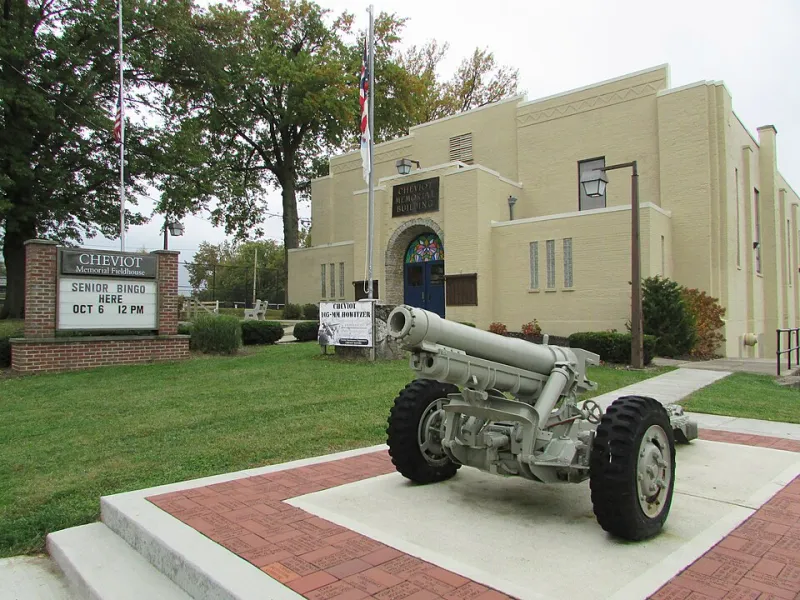
Photo: sophia elchynski, CC BY-SA 4.0, via Wikimedia Commons
Marfa taught America a lesson it's still absorbing: a tiny town with cheap space and an open mind can become a global art destination. Two decades later, a second wave of communities is applying that lesson with varying degrees of self-awareness — and the results say as much about American civic life as they do about contemporary art.
Here are six towns where the transformation is happening now, along with the uncomfortable questions each one raises.
Paducah, Kentucky: The Original Blueprint
Long before Marfa became shorthand, Paducah launched its Lowertown Artist Relocation Program, offering artists nearly free houses and gallery space in a crumbling historic district. The gamble worked. Today, Lowertown anchors a working arts economy with studios, galleries, and a national fiber arts museum.
What distinguishes Paducah is patience. The city treated artists as long-term residents, not transient attractions — and the district's character reflects decades of accumulated investment rather than a single speculative boom.
Beckley and the Southern West Virginia Experiment
Appalachian towns have begun adapting the relocation model to their own circumstances, using downtown revitalization grants to convert vacant storefronts into subsidized studios. The bet: that creative economies can do what coal no longer can.
Early results are promising but fragile. The artists who stay tend to be those with roots in the region or genuine ties to its communities, raising a question other towns would do well to consider — is the goal to import culture or to cultivate what's already there?
Paducah's Midwestern Cousins: Dubuque, Iowa
Perched on the Mississippi, Dubuque has quietly assembled an arts corridor along its historic millwork district, where restored warehouse space now houses studios and seasonal gallery walks. Local government offered tax incentives; landlords offered flexible leases; artists offered the thing neither could manufacture — a reason for people to come downtown on a Friday night.
Truth or Consequences, New Mexico: The High-Desert Contender
Every Marfa story spawns imitators, and Truth or Consequences — yes, that's the real name — is the most credible contender in the Southwest. Hot-springs tourism gave it a visitor base; vast cheap real estate gave it room; and a steady trickle of artists priced out of Santa Fe and Marfa itself gave it a creative core.
Whether it can avoid becoming a satellite of the scenes it borders depends on whether local institutions invest in residents rather than tourists.
Hudson Valley, New York: A Cautionary Success
Not every transformation stays affordable. The towns of the Hudson Valley — Hudson itself most famously — demonstrate the double edge of the art-destination model. Artists arrive seeking space; the scene they create raises property values; the artists, and the working-class residents who preceded them, are priced out in turn.
Hudson's gallery district is genuinely world-class. It is also a case study in how cultural capital converts into displacement with remarkable speed.
Eureka Springs, Arkansas: The Long Game
Tucked into the Ozarks, Eureka Springs has maintained an artist community for half a century without ever courting the international art world. Its lesson is different from the others: a destination doesn't need to be fashionable to be durable. Its galleries survived because locals and repeat visitors sustained them, decade after decade.
The Question Nobody Wants to Ask
Here is the tension running through all six stories: artist-led revitalization is, in practice, often the first act of gentrification. Artists are frequently the advance team — tolerated, even subsidized, because their presence makes a neighborhood legible as "up and coming" to investors.
The towns doing this well share a habit: they ask artists what they need to stay, not just what they'll attract. Subsidized long-term leases. Ownership pathways. Studio space decoupled from the real estate market. Paducah understood this in 2000. Most towns still don't.
For emerging artists weighing a move, the calculus is real: space, community, and possibility on one side; isolation, precarity, and the risk of building someone else's property value on the other. The American small town remains one of the last places where a studio is within reach. Whether it stays that way is the story the next decade will write.